What we learned making a short-form series for social
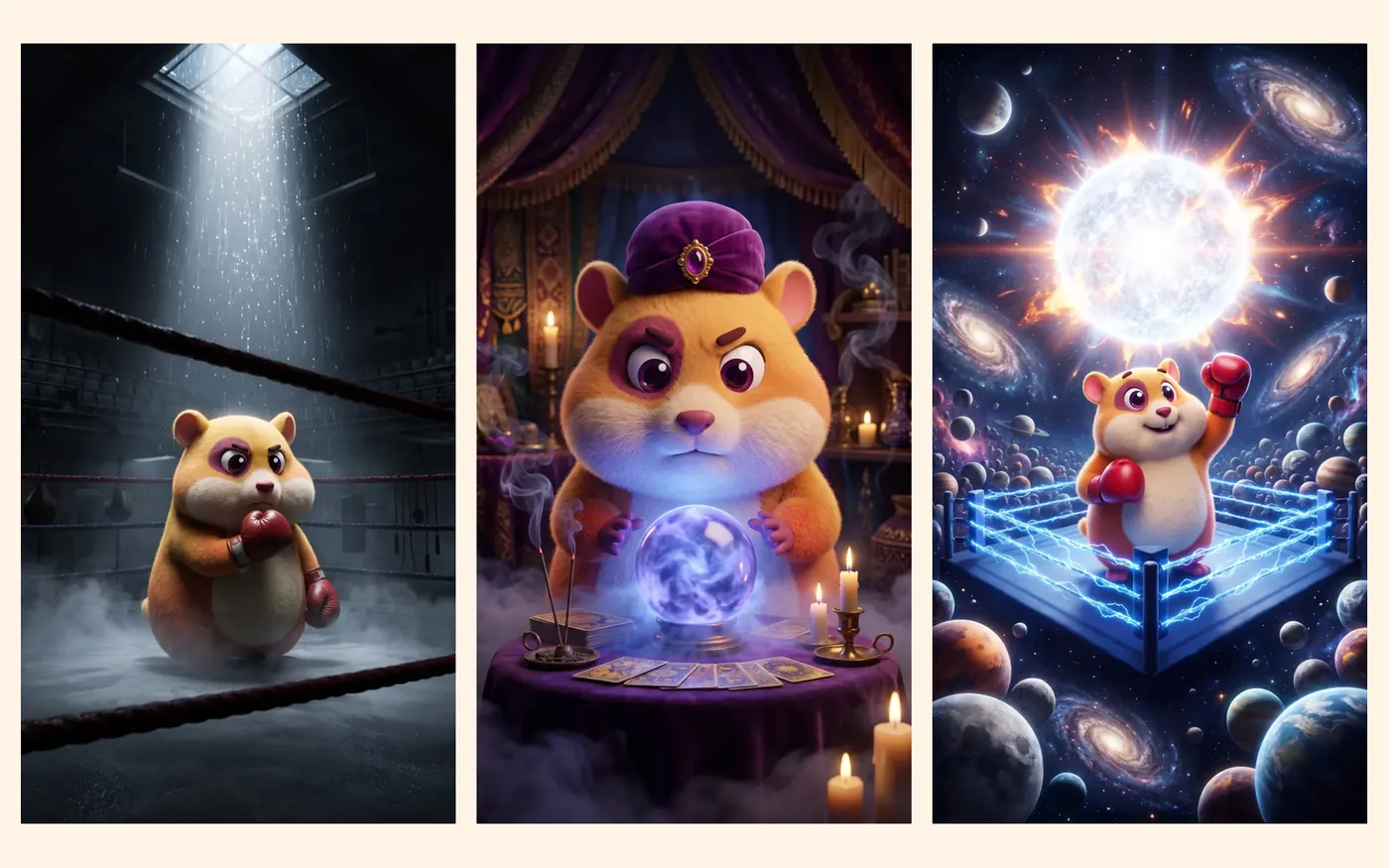
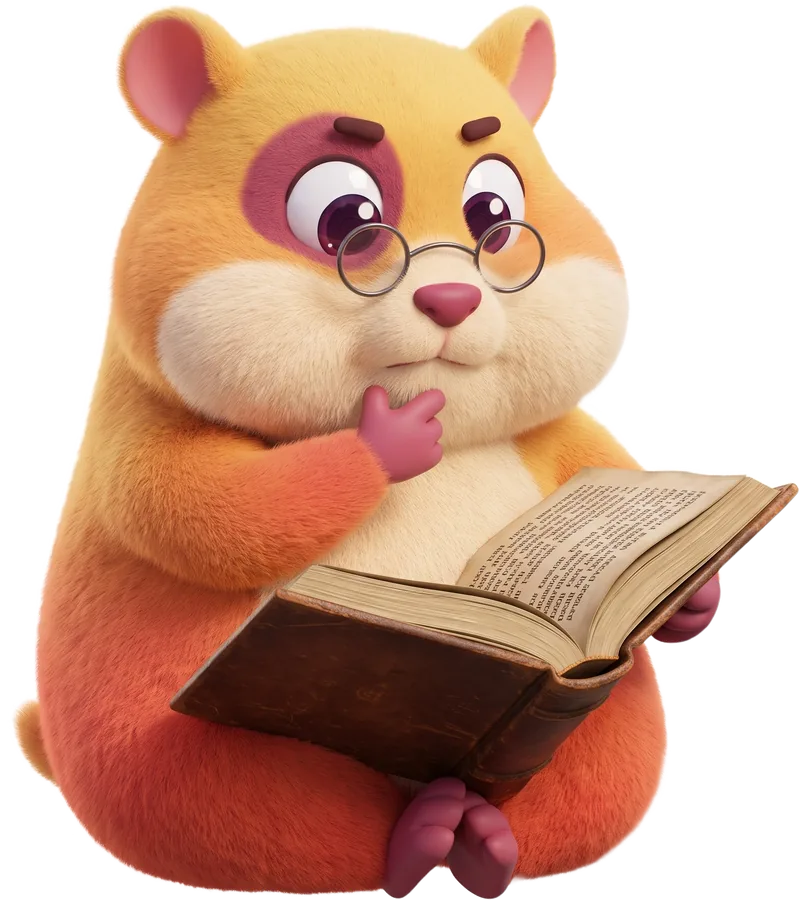
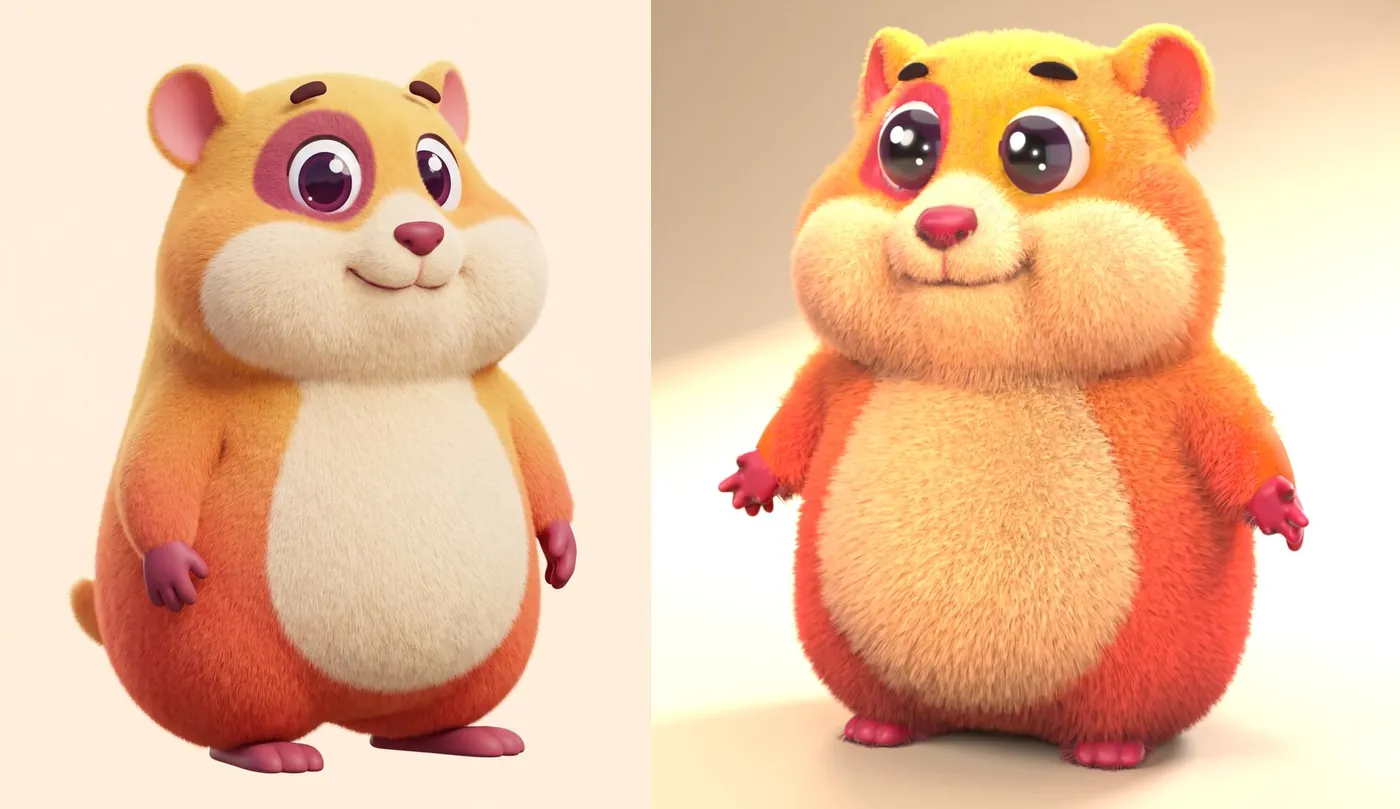
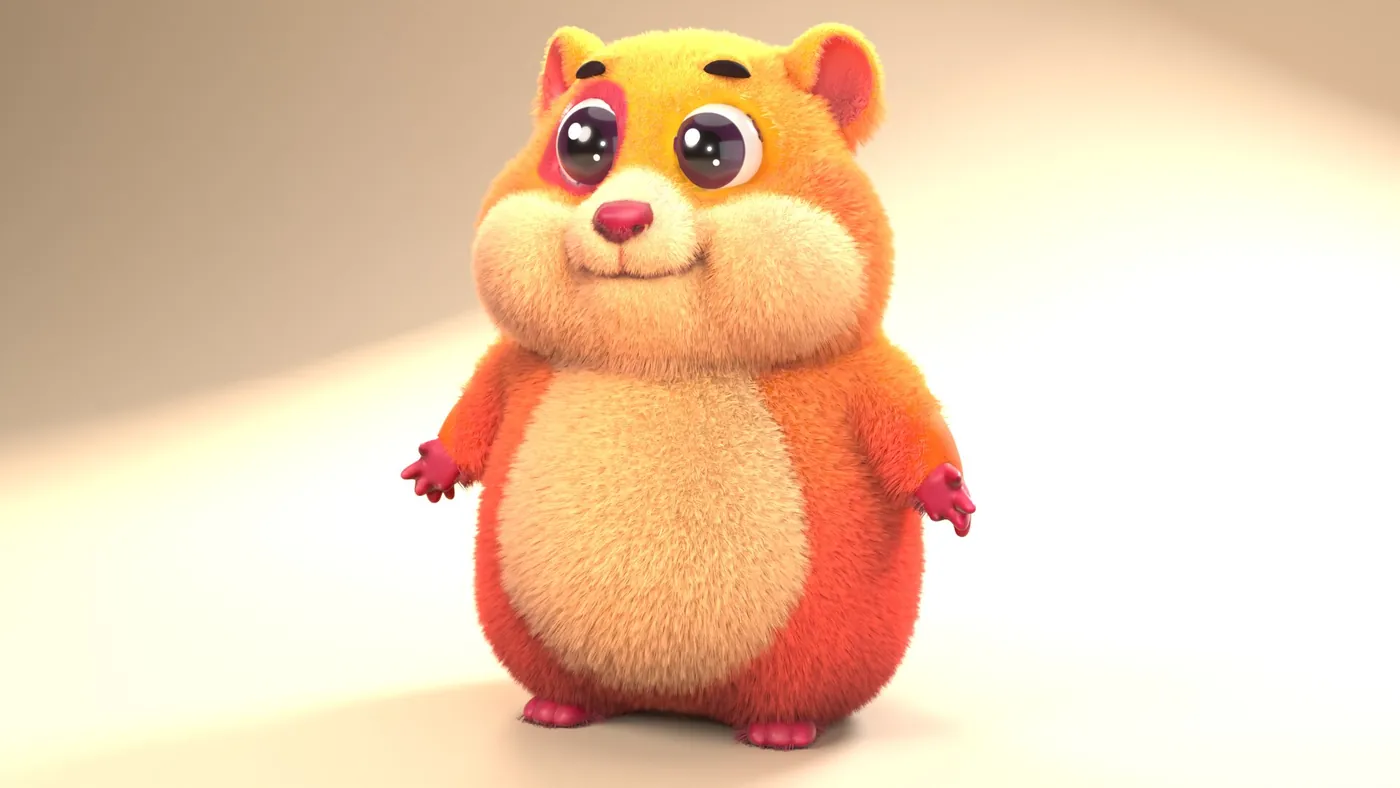
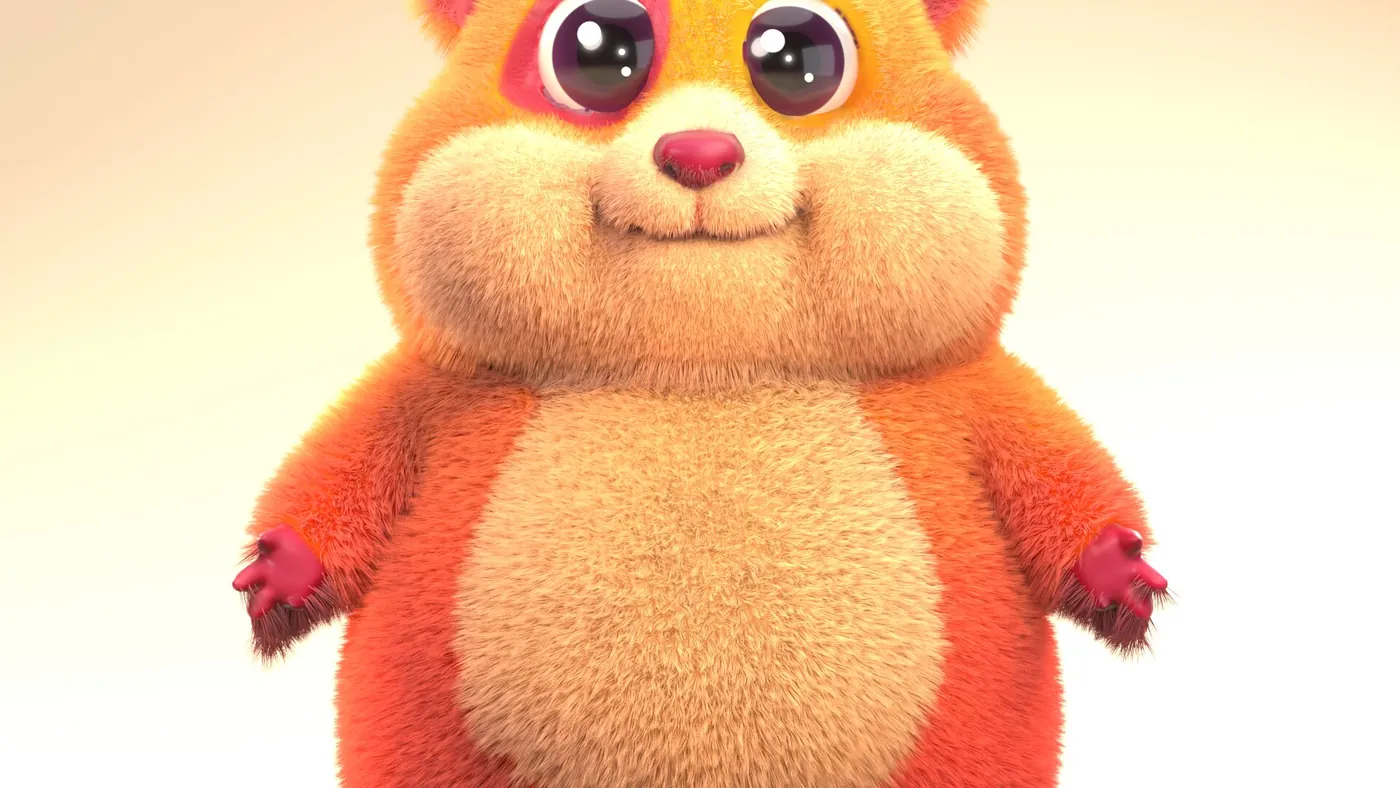
Hammie Wonders is a short-form series starring our mascot, Ham. Each episode is about 25 seconds long, vertical, made for Instagram and other short-video feeds. The idea is simple: a silly question, asked as if the fate of the universe depends on it. Episode 1 asks, "If you punch yourself and it hurts, are you weak or are you strong?" Episode 2: "If you expect the unexpected, doesn't that make the unexpected expected?"
Making the first episodes taught us a lot about series work for social. Here is what we would tell anyone planning one.
1. Lock the format before episode one
A series is a promise: every time you see this, you get this. So we fixed the structure first, and every episode follows it:
- Setup: a cosy desk, a warm lamp. Ham looks at you: "Have you ever wondered…"
- The drop: the lights die and we are somewhere dark and dramatic.
- The question, delivered slowly, with full gravity.
- Reality breaks: a fast montage of the question taken to its extreme.
- Snap back: hard cut, silence, the desk again. "…anyway."
- End card with the episode number.
A fixed format makes writing faster, because you only have to invent the middle. It also makes the series easy to recognise in a feed.
2. Build every picture from the question
Our first rule for the series: the dark set and the chaos must come from the question's own imagery. No generic explosions. The punch question takes place in an empty midnight boxing ring, then the shockwave of Ham booping his own cheek rolls around the Earth. The "unexpected" question happens in a fortune-teller's tent, with a jack-in-the-box, an endless staircase and a galaxy that twists into a question mark.
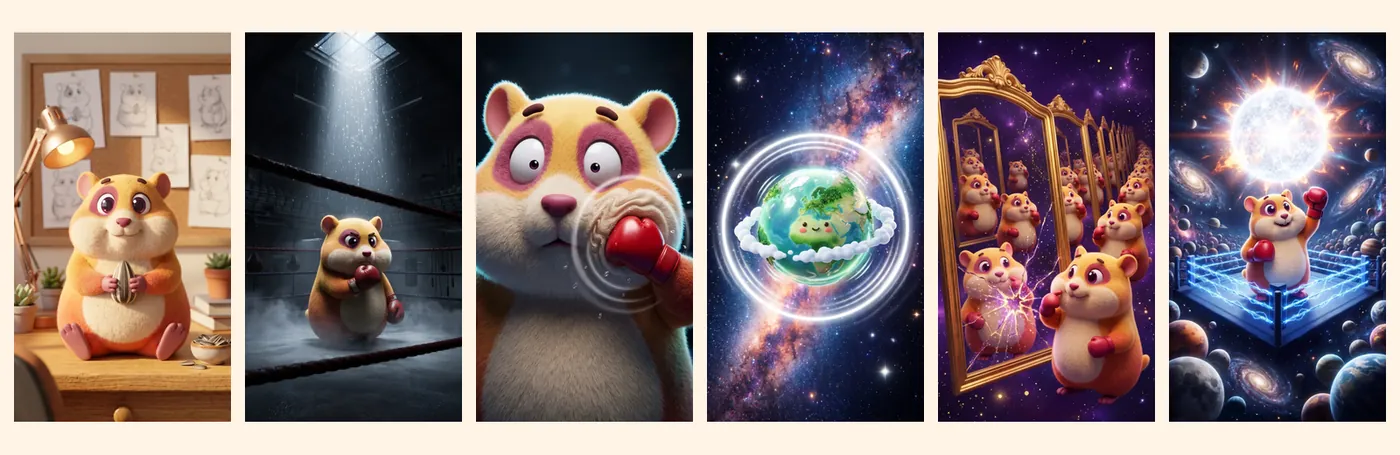
When every shot is tied to the question, the montage feels like a joke being built. When it isn't, it feels like noise.
3. Storyboard first, even when shots are cheap
AI makes it tempting to skip planning and just generate. We didn't. Each episode starts as a script with timings, voice lines and sound cues for every beat. Then we make one still per beat, using the approved character design as reference, and only then turn those stills into moving shots. The storyboard is where the comedy gets fixed, before anything is animated.
4. Reuse what works
The desk opening and the end card were made once and reused. Episode 2 opens on the very same shot as Episode 1, at no extra cost. Reuse keeps the series consistent, keeps Ham on-model and brings the cost of each new episode down. Our home page puts it simply: new episodes in days, not months.
Same desk, same lamp, same seed. Some call it reuse. I call it my trademark.
5. Sound is half the joke
We give every episode a deep, layered mix: an ambience bed, drones and choirs, hits on key words, risers into the montage, effects on every shot, then dead silence at the snap back. Episode 1 has 26 layers, Episode 2 has 35. Ham's voice always sits on top. On a phone, sound is what makes a cosmic boxing ring feel cosmic.
6. The cover is part of the episode
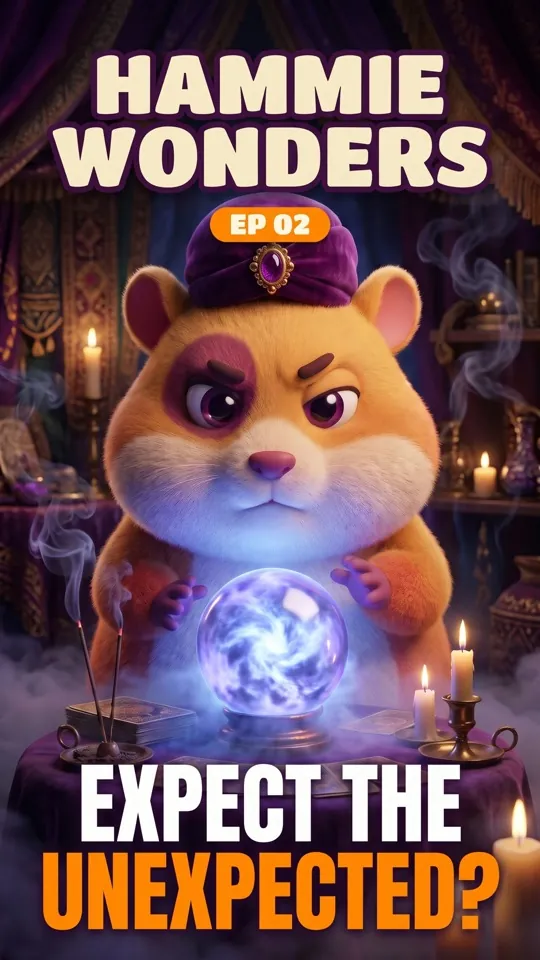
In a grid of thumbnails, the cover decides whether anyone taps. We tried plain title covers first and dropped them: not engaging enough. What works better:
- A huge, expressive Ham face, or the funniest frozen moment.
- Four words or fewer.
- A small episode badge.
We make two options per episode and pick one. For Episode 2 we chose Ham mid-jump in confetti, "Didn't see that coming", over a quieter teaser. A cover that asks the episode's question can work too.
7. Plan around the tools' limits
Tools have filters, and a cartoon about punching yourself can trip them. Some of our prompts were blocked, so we learned which words to avoid and described the action differently. Our own rules are stricter anyway: Ham is a cartoon, never scary, and never holds a weapon.
8. Ship, then learn
Episode 1 went out on Instagram and Facebook on 26 November. Episode 2 is scheduled, and a third is on its way. A series earns its audience over many episodes, not one, so the real lesson is to make the format cheap enough to keep going. That is where an AI-assisted pipeline helps most.
Thinking about a short-form series for your brand? Let's plan one together.