Giving a cartoon a voice: character voice, lip sync and a 30-layer mix
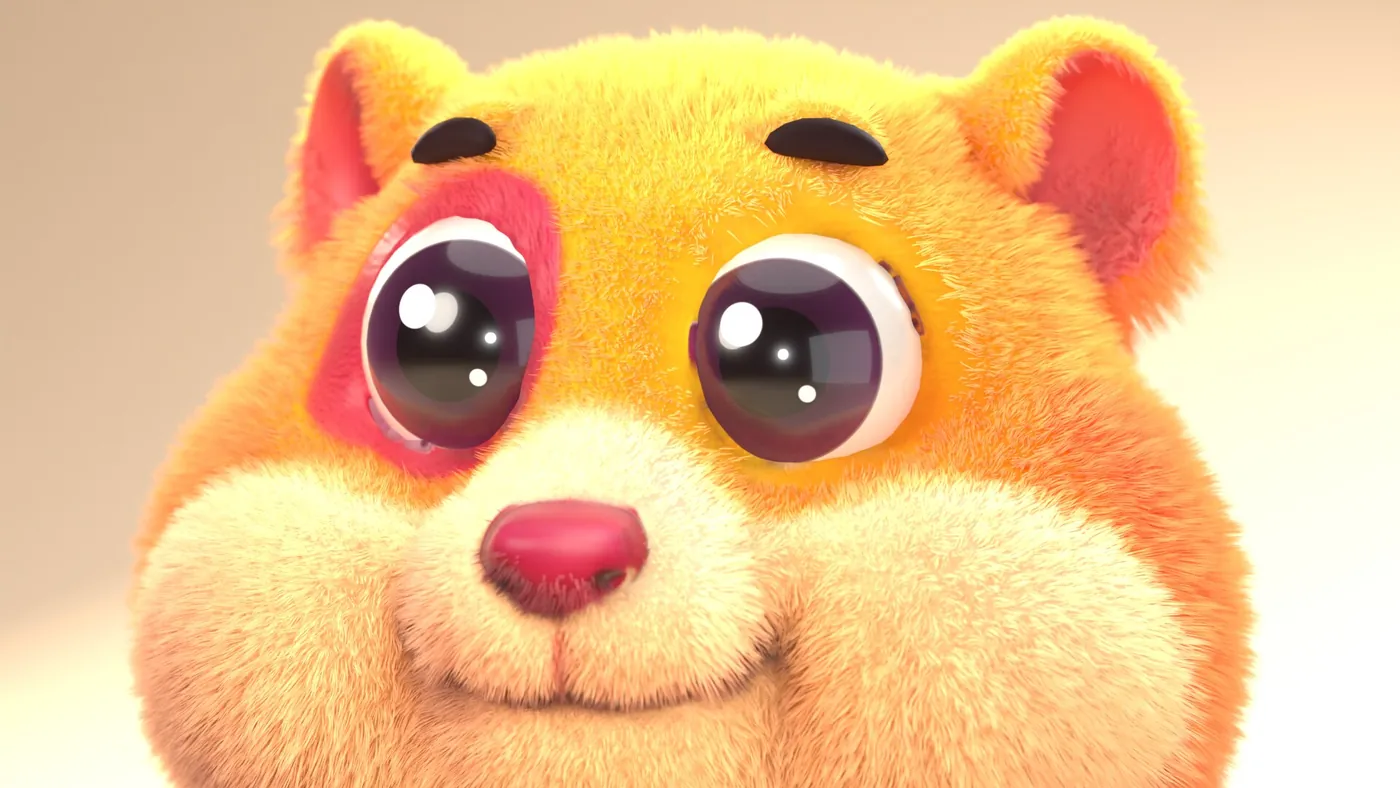
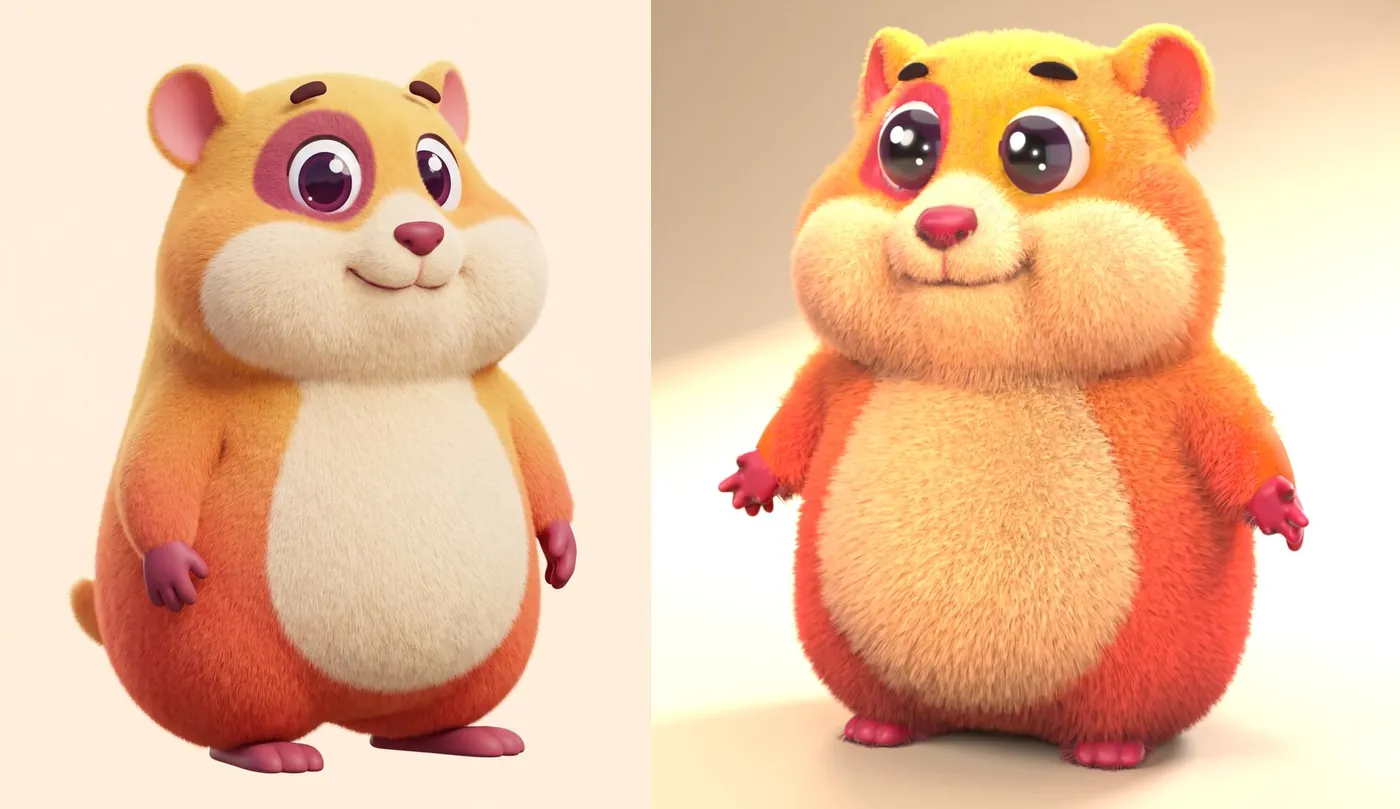
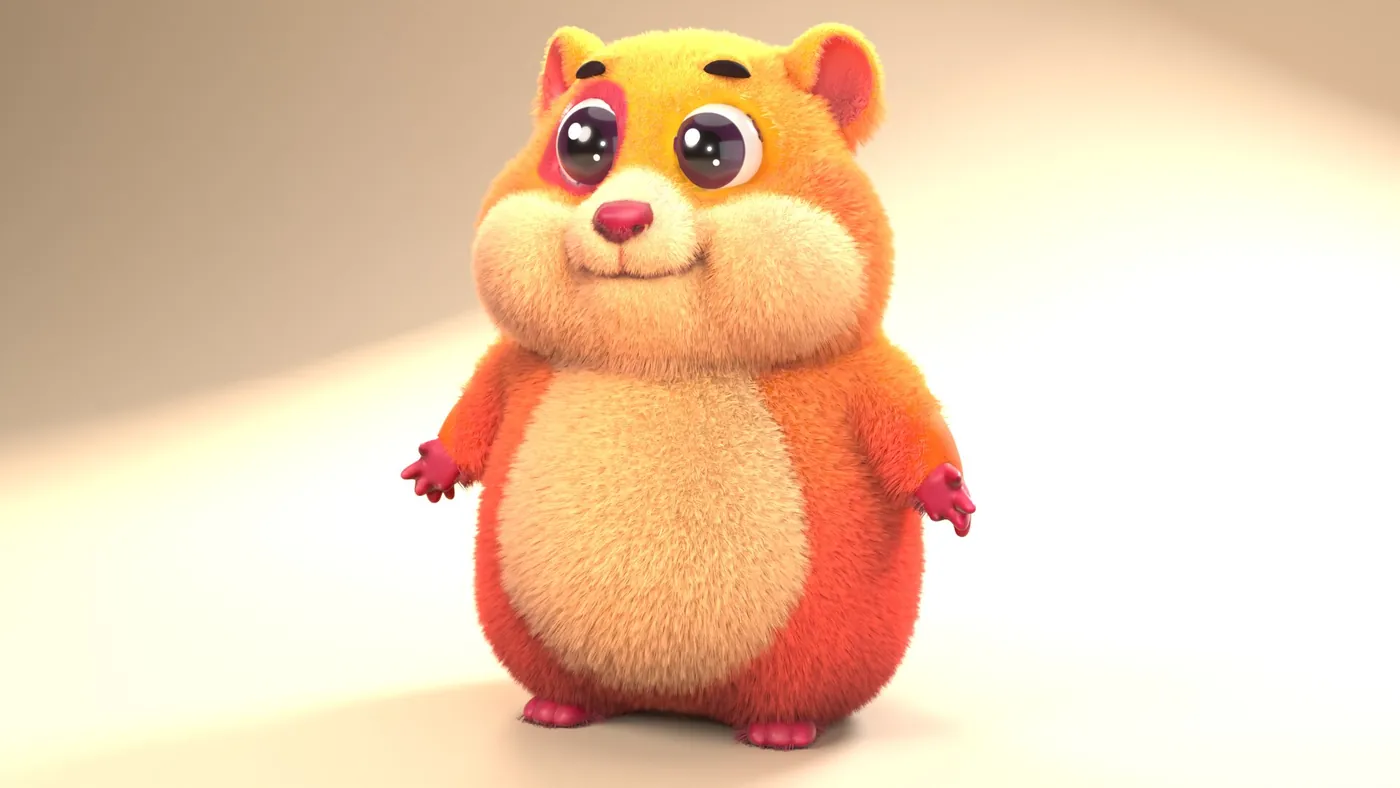
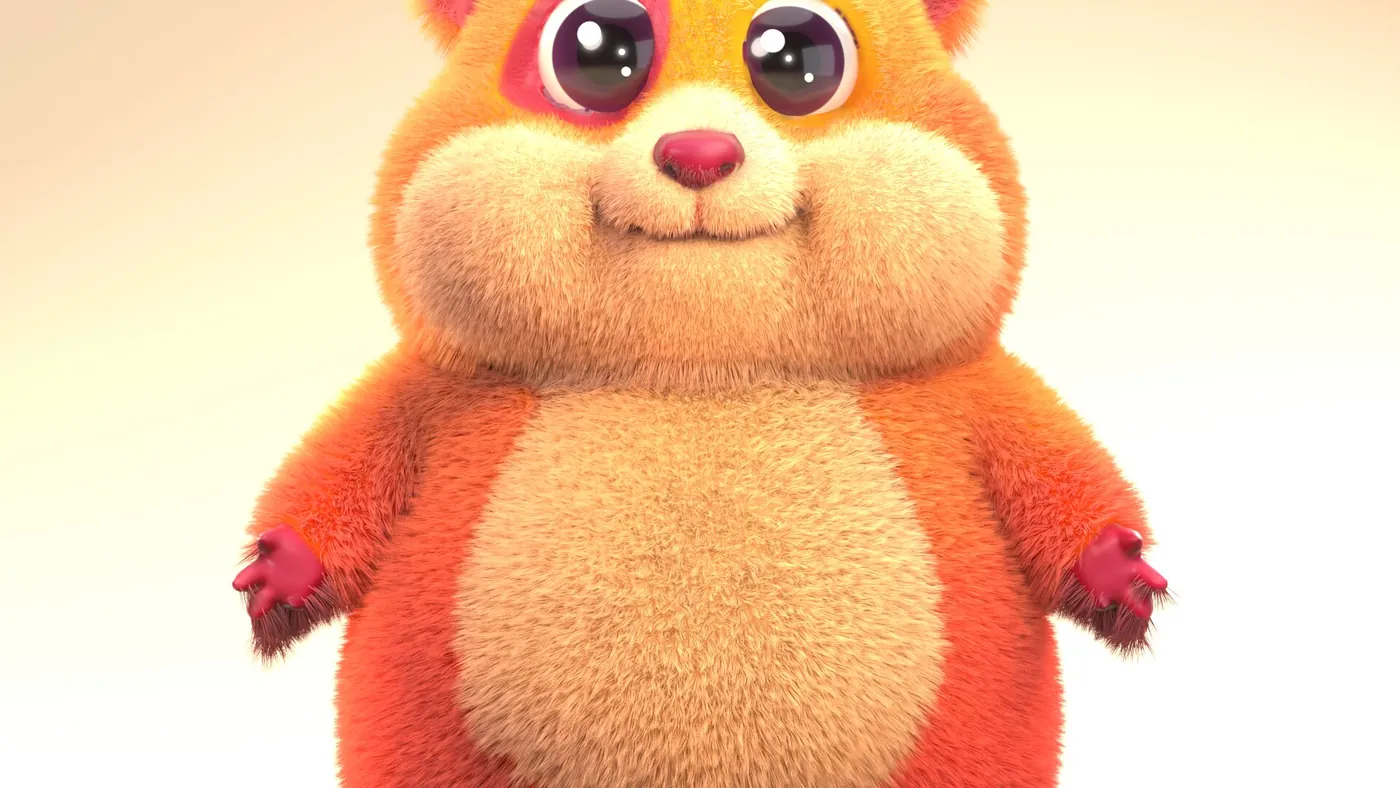
A character doesn't really exist until you hear it. Our mascot, Ham, spent years as a silent logo and a few GIF loops. Then he got a voice, a mouth that moves with it, and a sound world around him. Here is how we did that for his short films, and the small lessons that made the biggest difference.
Finding the voice
Ham's voice came from an unexpected place. In our first test reel, "POV: I'm the villain", he sits in a giant velvet chair, stroking a sunflower seed like a movie villain. He promises animation in three days instead of three months, then chokes on the seed. The video model gave him a deep, dramatic voice for that reel, and it fit him perfectly: a tiny hamster who takes himself very seriously.
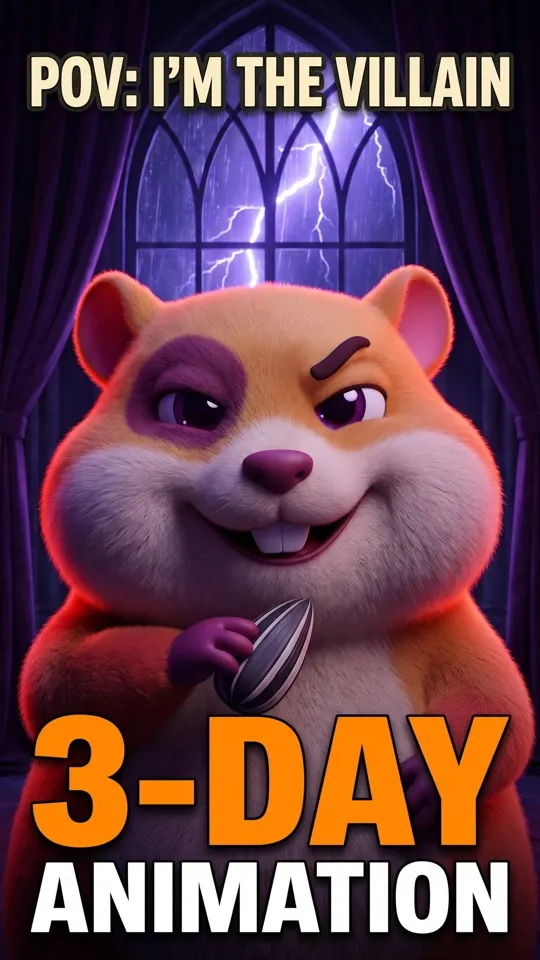
When we started the Hammie Wonders series, we first tried a ready-made voice. It was wrong for him, and we said so. So we went back to the villain-reel voice and cloned it once as Ham's character voice. Every episode since uses that same voice.
That is the big change from the old way. A traditional studio books a voice actor and a recording studio for every line. Our way: one character voice, approved once, reused for every episode. On our home page that stage goes from 1-2 weeks to about a day.
This is my real voice. Well. My real-ish voice.
Lines that sound like a performance
A cloned voice reads what you give it. Getting it to perform took some craft:
- One phrase at a time. We generate each phrase on its own, trim it, and join them with pauses set by hand. Comic timing lives in those pauses.
- No dots in the script. Writing "..." to suggest a pause made the voice mumble. Real silence, placed in the edit, works better.
- Listen for the last consonant. In Episode 1 the key word is "weak". If the "k" disappears, the joke goes with it. We check endings on every line.
Lip sync, checked by eye
Once a line is right, it goes to a lip-sync model that moves Ham's mouth to the audio. It is fast, but it isn't finished until someone has watched it. Three rules came out of our first episodes:
- Keep the clip length close to the audio length, with very little silence before the line.
- Ask for the mouth to stay closed during silence.
- Check the opening shot hardest. In the first version of Episode 1, Ham kept mouthing after his line ended, so we cut the shot at the end of the line.
That first version also had the wrong voice. We redid the voice and all three lip-sync shots. Nothing about AI makes "not good enough yet" go away. It just makes a redo cheaper.
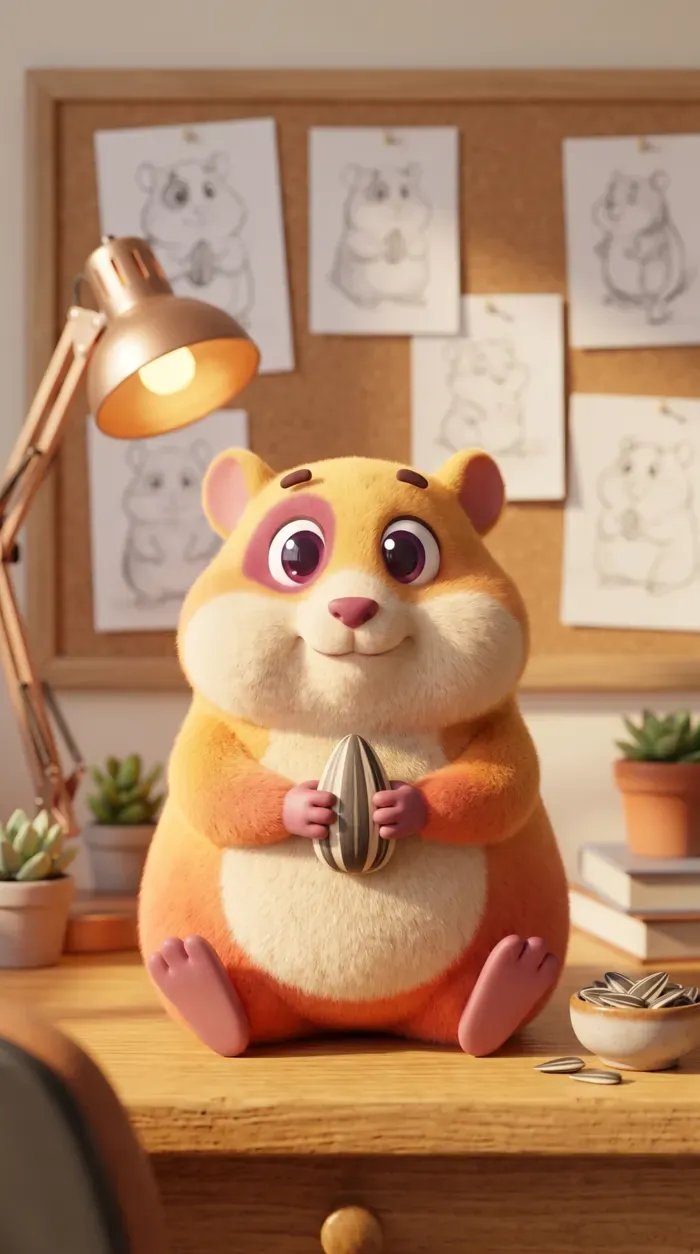
The sound: up to 35 layers
Voice is half of it. The other half is everything around it. Each Hammie Wonders episode has a full sound-design pass from a sound-effects library. Episode 1 has 26 layers. Episode 2 has 35. Here is how the layers stack up:
- A bed of ambience: room tone, rain, wind chimes, a ticking clock.
- Drones and choirs that build tension under the question.
- Hits on key words: a single piano note on "weak", a deep boom on "strong". In Episode 2, a harp on every "unexpected" and a reversed cymbal into a bass drop on the final "expected".
- Risers that lift into the chaos montage, then per-shot effects: jelly wobbles, glass, stadium roars, a supernova.
- Hard silence at the snap back, then one tiny sound. A seed crunch. A party popper.
The silence matters as much as the noise. After ten seconds of cosmic chaos, a cut to nothing makes the last line land.
Mixing for a phone
Most people will hear Ham through a phone speaker, often with the sound off until something grabs them. So the voice always sits on top: the effects duck under it whenever he speaks. The finished mix is set to Instagram loudness, around -14 LUFS. Captions are burned in for anyone watching on mute.
The old way, a mix like this took a long session. With a good library and a clear plan of cues written into the script, we build a 30-layer mix in an evening. The plan is still the hard part: which sound, on which word, and when to stop.
Need a voice and a sound world for your character? Let's talk.